History has finally caught up with one of Africa’s greatest cultural revolutionaries. Fela Anikulapo Kuti, the legendary Nigerian musician, activist, and creator of Afrobeat, has been honored as the first-ever African to receive the Grammy Lifetime Achievement Award.
Though the award comes posthumously, its significance cannot be overstated. It is not just a win for Fela’s legacy, but a landmark moment for African music, culture, and global recognition.

For decades, Fela Kuti stood outside the mainstream Western music industry, challenging power, confronting injustice, and rejecting compromise. Now, the world’s most prestigious music institution has formally acknowledged what Africa has always known: Fela Kuti was not just a musician — he was a movement.
But who exactly was Fela Kuti, and why does his influence still shake the world years after his death?
Who Was Fela Kuti?
Born Olufela Olusegun Oludotun Ransome-Kuti on October 15, 1938, in Abeokuta, Ogun State, Nigeria, Fela Kuti came from a family deeply rooted in activism and intellectualism. His mother, Funmilayo Ransome-Kuti, was a renowned women’s rights activist and anti-colonial leader, while his father was an Anglican minister and educator.
Also Read: Filmmakers Should Put Their Films on YouTube Instead of Fighting the Cinema Battle in Nigeria.
From an early age, Fela was exposed to politics, resistance, and social consciousness — themes that would later define his music and life.
Initially sent to London to study medicine, Fela instead enrolled at Trinity College of Music, where he trained as a jazz trumpeter.
It was during this period that he began experimenting with sound, blending jazz, highlife, funk, and traditional African rhythms. That fusion would later evolve into Afrobeat, a genre he pioneered and owned completely.
The Birth of Afrobeat
Afrobeat was not just music; it was ideology, resistance, and African identity rolled into sound. Unlike Western pop music that focused on romance or escapism, Fela’s Afrobeat confronted colonialism, military dictatorship, corruption, police brutality, poverty, and neo-imperialism head-on.
Also Read: Her Fifth Sense Review: Drama, Secrets, and Unexpected Twists
Afrobeat songs were long — sometimes stretching beyond 15 or 20 minutes — built around hypnotic rhythms, powerful horn sections, call-and-response chants, and politically charged lyrics delivered in Pidgin English, making them accessible to ordinary Africans across borders.
Through Afrobeat, Fela created a sound that was unmistakably African and unapologetically rebellious.
Music as Protest and Weapon
Fela Kuti did not separate art from activism. Songs like:
- “Zombie”
- “Sorrow, Tears and Blood”
- “Coffin for Head of State”
- “Water No Get Enemy”
- “Expensive Shit”
were direct attacks on Nigeria’s military governments and systems of oppression.
Also Read: History Made! 🔥🎬KOLEOSO Crosses 100 MILLION Views on YouTube
“Zombie,” in particular, mocked Nigerian soldiers as mindless followers, leading to brutal retaliation from the state. In 1977, Nigerian soldiers raided Kalakuta Republic — Fela’s communal home and recording space — burning it down, beating residents, and throwing his elderly mother from a window. She later died from injuries sustained during the attack.
Rather than retreat, Fela became louder.
He carried his mother’s coffin to the seat of government in Lagos in a symbolic act of protest and continued to challenge authority through music until his final days.
Kalakuta Republic and the Shrine
Fela declared his home, Kalakuta Republic, an independent state, rejecting Nigerian authority and law enforcement. It became a sanctuary for artists, free thinkers, and rebels.
At the heart of his cultural revolution was The Afrika Shrine, a performance space where music, politics, spirituality, and activism merged. Fela’s nightly performances were part concert, part political rally, and part spiritual awakening.
The Shrine was a place where the oppressed found voice — and the powerful felt uncomfortable.
Global Influence Beyond Africa
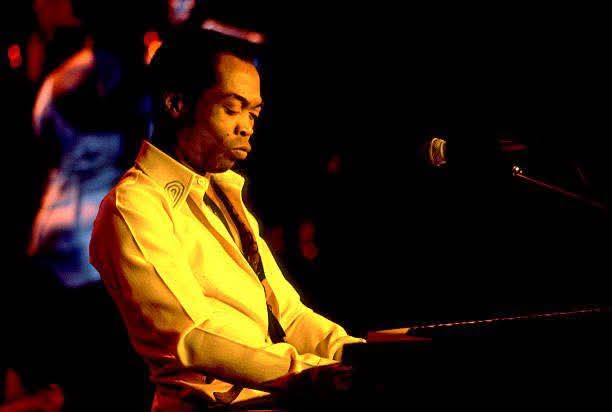
Though heavily censored and persecuted in Nigeria, Fela’s music crossed borders. International audiences, particularly in Europe and the United States, recognized his genius long before institutions did.
Also Read: Fathia Williams and Saidi Balogun: Growth, Identity and a Chapter Closed
Artists influenced by Fela include:
- James Brown
- Questlove
- Erykah Badu
- Mos Def
- Beyoncé
- Kanye West
- Burning Spear
- Antibalas
Modern Afrobeat and Afrobeats artists — from Burna Boy to Davido and Wizkid — exist within a global African soundscape that Fela helped build, even if their music differs in message and style.
Why the Grammy Lifetime Achievement Award Matters
The Grammy Lifetime Achievement Award is reserved for artists whose contributions have permanently shaped the music world. Fela Kuti receiving this honor is historic for several reasons:
- First African Ever – This recognition breaks a long-standing barrier and validates African music on the highest global platform.
- Posthumous Justice – Fela was never nominated for a competitive Grammy during his lifetime, despite his influence.
- Cultural Recognition – It acknowledges Afrobeat as one of the most important musical movements of the 20th century.
- Political Courage – The award honors not just sound, but bravery — music that challenged power.
For decades, Fela existed outside the Grammy system by choice and circumstance. This award feels less like an approval and more like an admission: the world needed to catch up.
Fela’s Personal Life and Controversies
Fela Kuti was as complex as he was brilliant. He openly challenged Western ideas of marriage, famously marrying 27 women in a single ceremony, many of whom were dancers in his band.
Also Read: From Street Hustle to New Hope: The Story of 19-Year-Old Samuel” 😳 👍 😊
His lifestyle, views on feminism, and personal choices sparked debate and criticism, even among admirers. Yet Fela never claimed to be perfect. He insisted on being honest, raw, and free — qualities that defined both his art and contradictions.
Death and Immortality
Fela Kuti died on August 2, 1997, at the age of 58. His death marked the end of a physical presence, but not the movement he started.
Today:
- Afrobeat is global
- The New Afrika Shrine thrives in Lagos
- His sons, Femi Kuti and Seun Kuti, continue his musical and activist legacy
- His music remains relevant in conversations about power, corruption, and resistance
Fela Kuti is More Than Music — A Legacy
Fela Anikulapo Kuti once said, “Music is the weapon.”
The Grammy Lifetime Achievement Award proves that his weapon reshaped global culture.
This honor is not just about celebrating a past legend — it’s about recognizing Africa’s power to define its own narrative, sound, and truth on the world stage.
Also Read: A Fan of Box Office Legend Funke Akindeke Responds to Kunle Afolayan
Fela didn’t beg for validation.
He demanded freedom.
And now, history has finally bowed.
Final Thoughts
Fela Kuti’s Grammy Lifetime Achievement Award is long overdue, but perfectly timed. As African music dominates global charts and conversations, honoring its most fearless pioneer sends a powerful message: Africa has always been here — loud, brilliant, and unstoppable.
Fela lives on, In sound, In spirit, In resistance.