Zimbabwean digital personality Queen Nadia TV has become one of the most talked-about content creators on Facebook and other social platforms — but not simply because of creative talent.
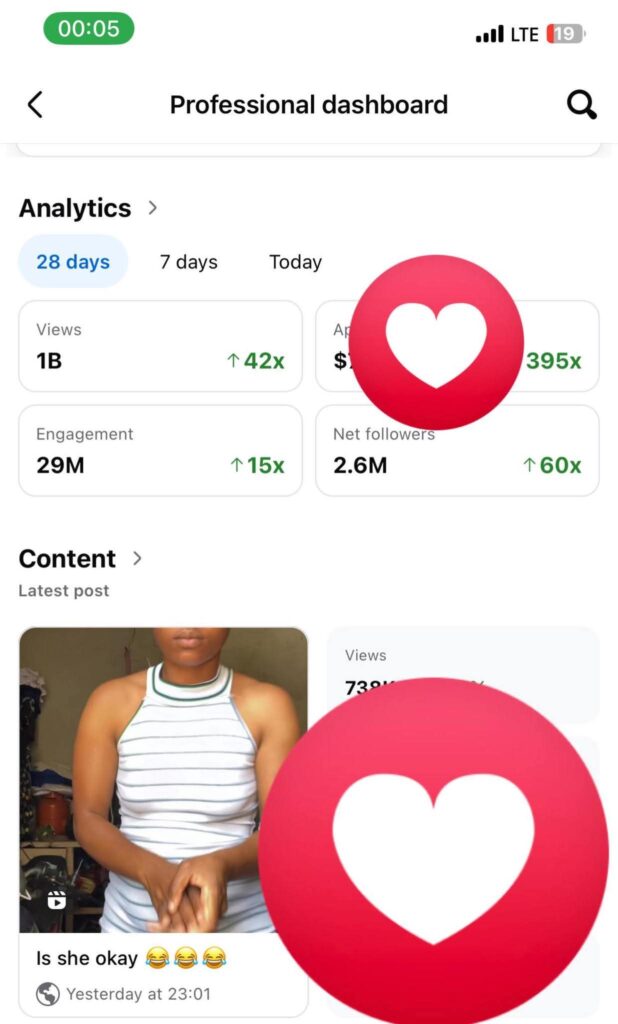
In the past few days, her name has been trending across Zimbabwe and beyond as short clips from her Facebook page rack up millions of views and spark heated debates about the limits of online content.
From Obscurity to Millions of Followers — and Controversy
Queen Nadia TV’s rise has been nothing short of meteoric. Reports show that her Facebook page grew explosively, reportedly surpassing 2.9 million followers in a short time as her short-form videos circulated widely. Much of this visibility came from content framed as “view once” or fleeting clips — a format that encourages quick clicks and rapid sharing.
However, it’s not just the volume of views that has drawn attention. The nature of the content itself — which media reports describe as provocative and designed to push boundaries — has generated widespread criticism. Critics argue that some of these videos include suggestive visuals that many believe cross the line of acceptable social media content, particularly on platforms like Facebook that are used by broad and diverse audiences.
Public Backlash and Moral Debates
Opinion pieces and community discussions have not held back. Commentators describe the videos as “disgraceful exposure” and argue that they undermine public decency and cultural values. Some critics use strong language, framing the trend as a negative influence, especially on youth who might encounter the content without warning or appropriate filters.
Also Read: Bimbo Akintola Exposes the Truth Behind Nollywood Wealth
The debate has become especially heated in countries like Zimbabwe, where many communities maintain more conservative norms regarding public expression and media.
Articles about her content invoke concepts like hunhu or ubuntu — values emphasizing dignity, respect, and community well-being — arguing that the videos run contrary to these ideals.
Where the Law and Platform Rules Come In
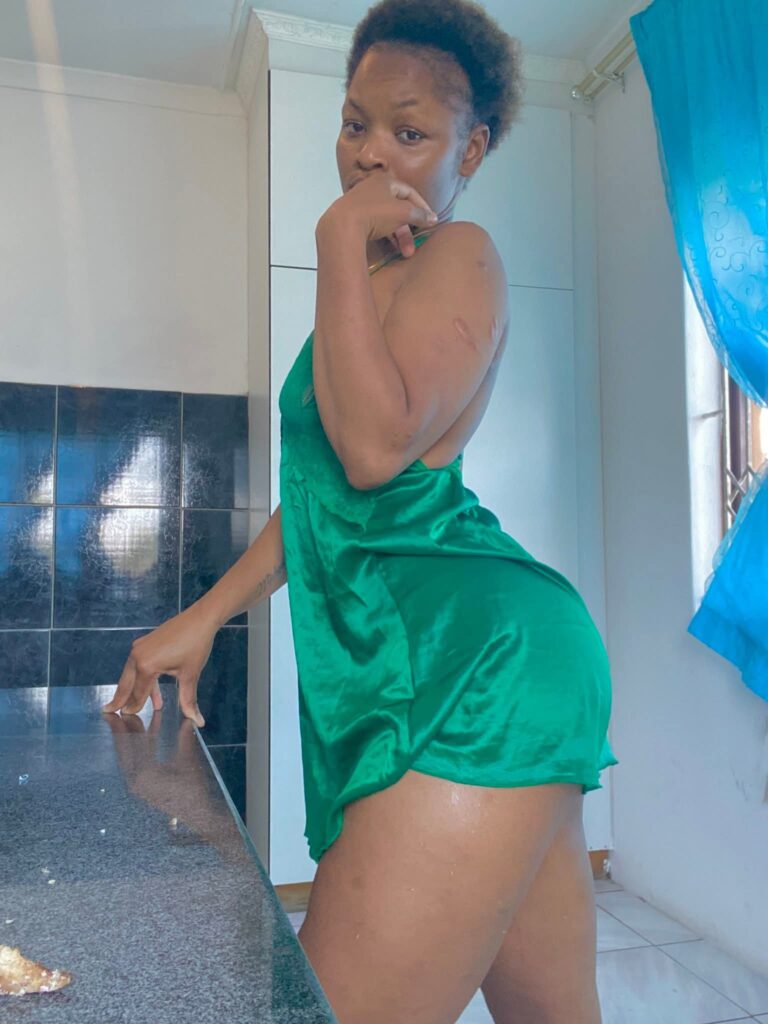
It’s not just a matter of social stigma. Zimbabwe has legal frameworks that address online behavior and public decency. Under the Cyber and Data Protection Act, the transmission of intimate images without consent — even if self-posted — and the distribution of “indecent or obscene” material can carry penalties.
Similarly, Facebook itself has community standards that restrict nudity and sexually explicit content. Creators who push the platform’s boundaries risk having their content removed, losing monetization privileges, or even having their accounts suspended. Audiences who repeatedly share or engage with borderline material may also find their own feeds impacted by the platform’s moderation systems.
A Nation Divided — But a Clear Warning for Users
Public reaction to Queen Nadia TV’s content is deeply divided. Some defend her videos as expressions of confidence or personal freedom.
Also Read: A Masterpiece in Parts, A Mess in Packaging: Reflections on Aníkúlápó Season 2
Others argue that the viral cycle of clicks, shares, and algorithmic promotion creates a feedback loop that rewards shock over substance — something that can be damaging culturally and psychologically, especially for younger viewers.
Why Audiences and Content Creators Should Be Cautious
- Social media platforms are not neutral mirrors — they actively promote content that maximizes engagement. Provocative posts often get more clicks, but platforms like Facebook are also cracking down on sexually explicit or borderline material under their community standards.
- Engaging with explicit content can have consequences. Sharing, commenting on, or replicating such posts can increase visibility for material that may violate platform rules — potentially resulting in penalties for creators or even account restrictions for followers.
- Children and vulnerable users are part of social feeds. Facebook and Instagram attract people of all ages. Explicit or suggestive material — even if not illegal — can be inappropriate for young audiences and open them up to harmful or confusing messages about sex, consent, and self-worth.
- Creators should think long-term. Viral fame built on controversy or shock can be fleeting and may damage a personal brand or future opportunities. Many successful influencers grow by creating content that adds value without compromising safety or dignity.
Final Thought
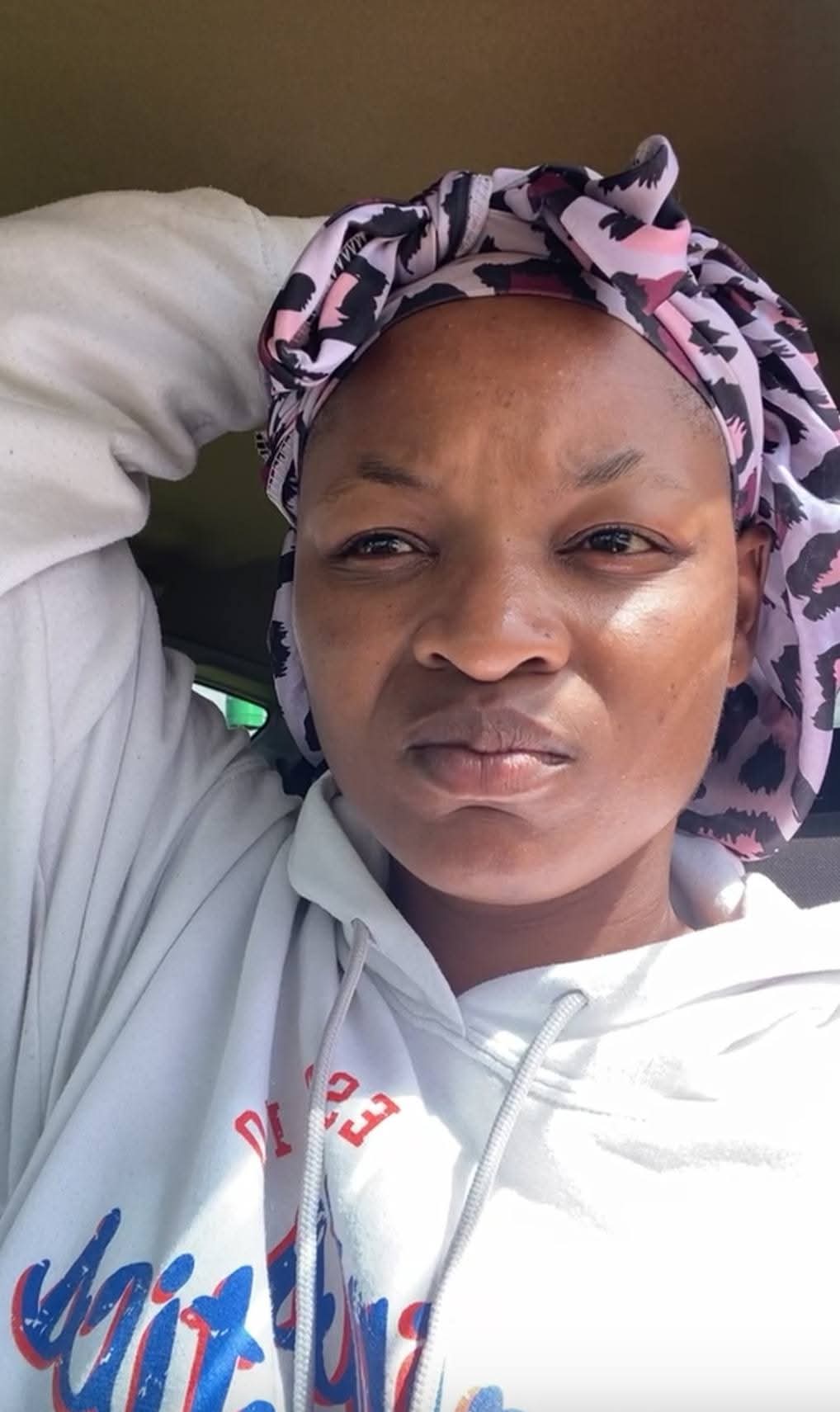
The case of Queen Nadia TV highlights the complex balance between freedom of expression, cultural values, and platform regulations. As digital audiences and creators alike navigate today’s fast-moving social media landscape, it’s important to be mindful of what we consume, promote, and reward online — not just for personal reputations, but for the broader communities we help shape.
More Update
Facebook has dismissed calls to ban Queen Nadia TV ruling that the page does not violate the platform’s Community Standards.
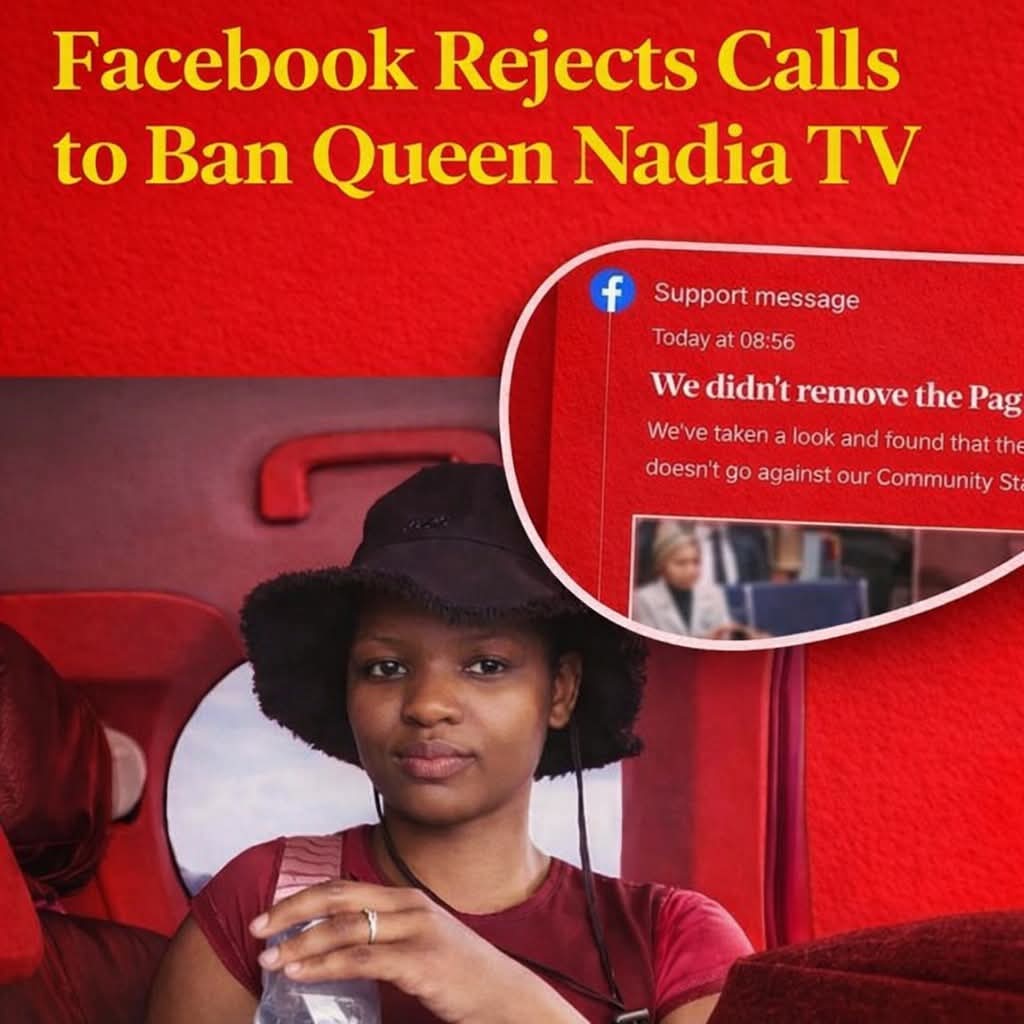
Following a review triggered by multiple reports, Facebook’s support team confirmed that the content published on Queen Nadia TV does not breach its policies, and therefore no action was taken against the page. The decision has sparked mixed reactions online, with supporters welcoming the ruling as a win for free expression, while critics remain dissatisfied.