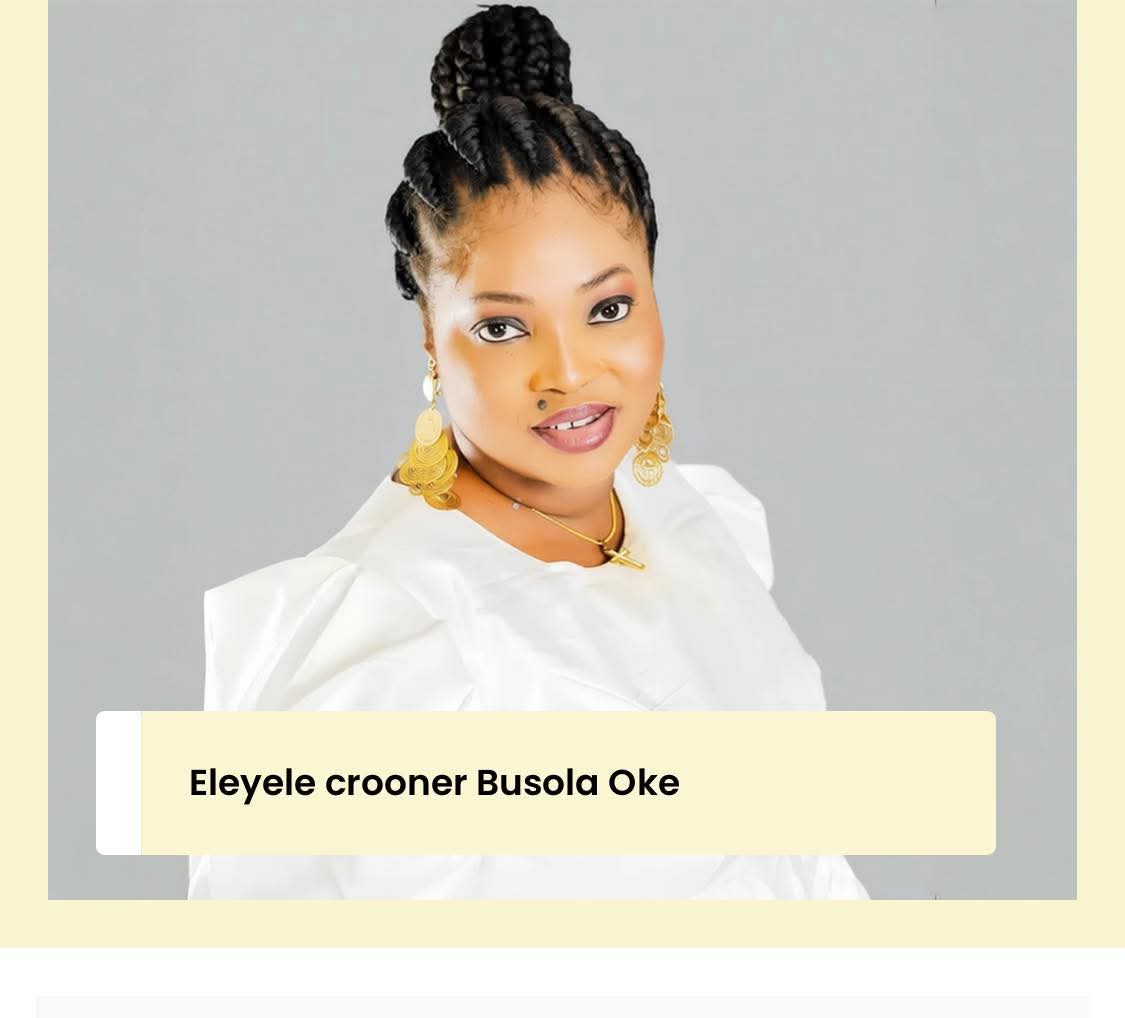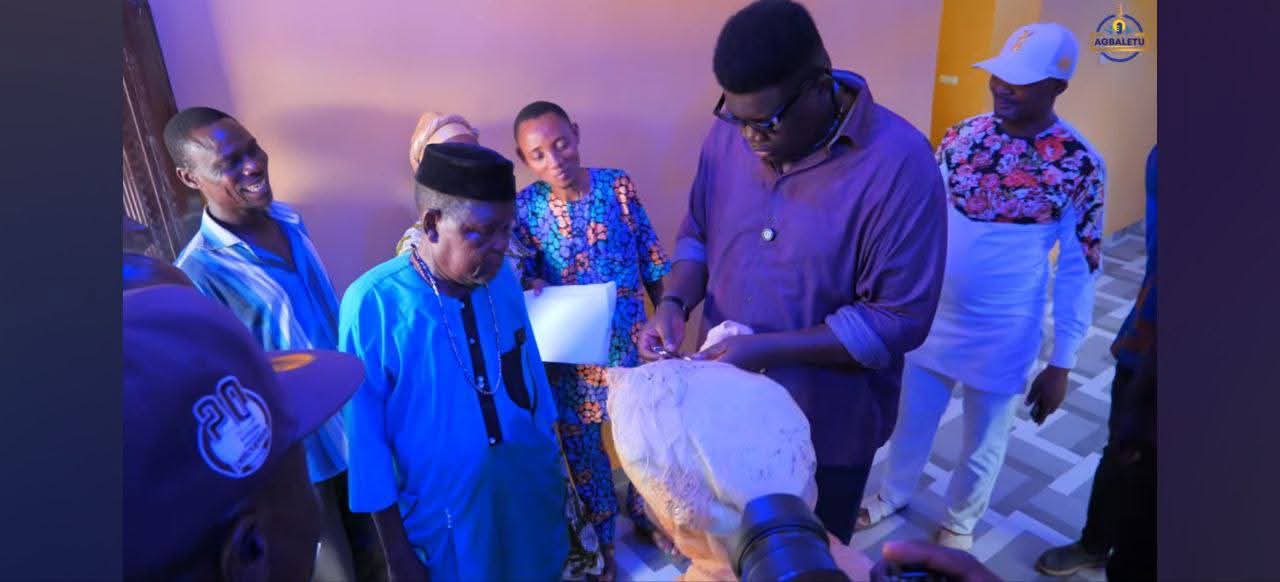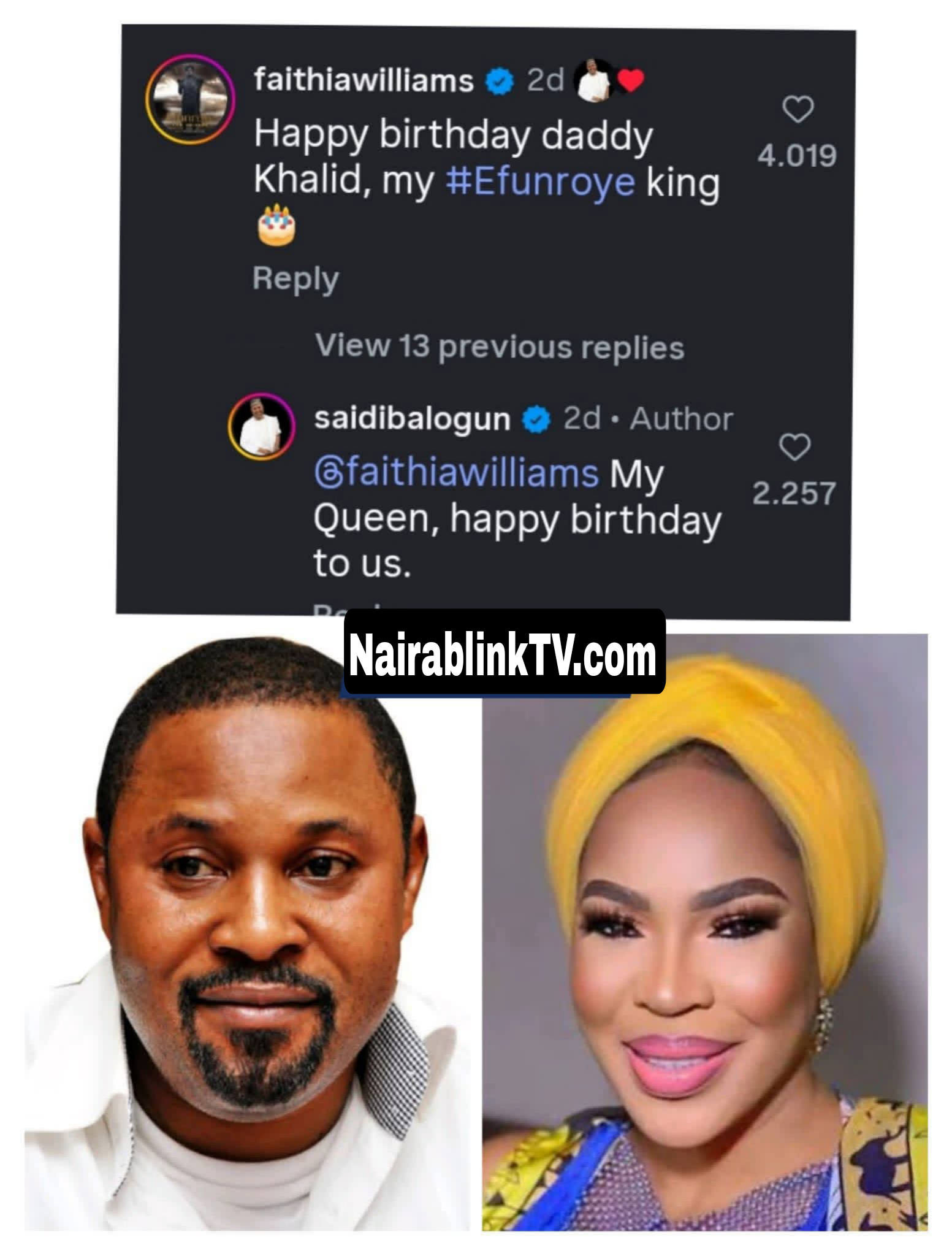
Fathia Williams & Saidi Balogun
By DJ Irawo
Time has a way of changing narratives, softening old wounds, and sometimes reopening conversations people thought were long buried. This is one of those stories.
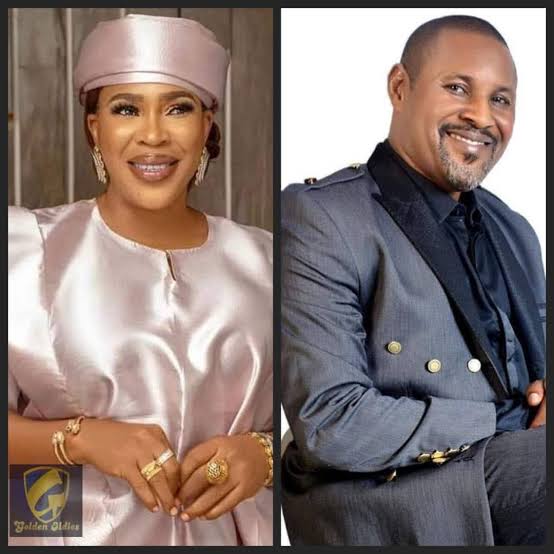
Saidi Balogun and Fathia Williams were once one of Nollywood’s most talked-about couples.
Their marriage, followed by a highly publicised separation and eventual divorce in 2015, became a reference point in conversations about love, fame, identity, and survival in the Nigerian entertainment industry.
I followed their story closely, not just as a fan of Nollywood, but as an entertainer myself — and as a woman navigating her own marital struggles at that time.
Their divorce coincided with a season in my life when I was also contemplating separation, so their experience felt personal.
A Birthday That Reignited Old Conversations
Interestingly, Saidi Balogun and Fathia Williams share the same birthday — February 5. Saidi was born in 1967, while Fathia was born two years later, in 1969.
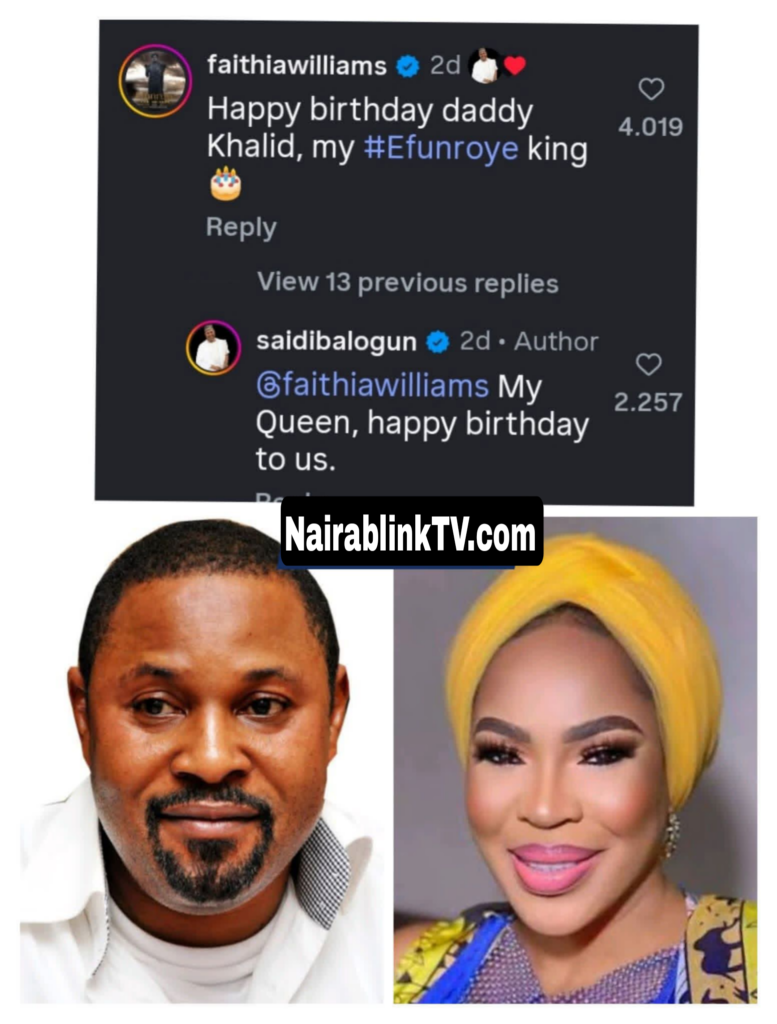
On their birthday a few days ago, Fathia left a simple but striking comment under Saidi’s Instagram post:
“Happy birthday, my Ẹfúnróye King.”
That single phrase was enough to send social media into overdrive. Screenshots circulated, speculations flew, and many netizens began emotionally fantasising about a possible reunion between the former couple.
Also Read: As a Film Producer, Know When to Stay Silent and When to Speak Up – Debby Chimere
But to me, that interpretation missed the point entirely.
Not a Comeback But A Strategic Move
What I saw was not romance. What I saw was a woman who understands branding, timing, and storytelling.
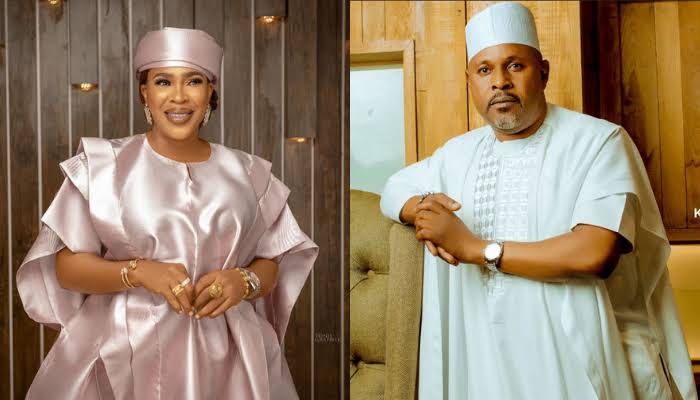
If Fathia Williams had not dropped that comment, many people would not have heard about her upcoming film project.
With one carefully chosen phrase, she sparked conversation, curiosity, and attention — .without dancing on social media or begging for relevance.
That is strategy.
And it worked.
Introducing Ẹfúnróye: The Unicorn
The comment was linked to Fathia Williams’ forthcoming historical film, Ẹfúnróye: The Unicorn, inspired by the life of Ẹfúnróye Tinúbú, a powerful 19th-century Yorùbá aristocrat, merchant, and political force.
Also Read: “I Watched Omotola Jalade Say Dancing to Promote Movies Is Unprofessional — and It Sparked a Bigger Nollywood Debate”
The film explores Tinúbú’s influence, ambition, struggles, and legacy — not as a flawless heroine, but as a complex woman shaped by power, controversy, and resilience.
According to Fathia, the project is a work of artistic interpretation, intended to be balanced and nuanced rather than a whitewashing of history.
Saidi Balogun is believed to be part of the cast, which explains the birthday message — not romance, but professional collaboration.
Working together does not mean sleeping together.
Why the Past Should Remain in the Past
For those still dreaming of a romantic reunion between Saidi and Fathia, disappointment may be inevitable. Their divorce happened for reasons that time alone cannot erase. Familiarity, as they say, often breeds contempt.
Reconciliation for the sake of co-parenting and mutual respect is healthy. Rewriting history for entertainment fantasies is not.
Also Read: My Beloved Mother Died on the Eve of My Birthday Party – Fathia Williams
We have seen similar misplaced hopes in other celebrity narratives — like those expecting Tonto Dikeh and Olakunle Churchill to rekindle their marriage simply because they agreed to co-parent peacefully.
Let us learn to separate maturity from romance.
A Woman’s Fight for Her Name and Identity
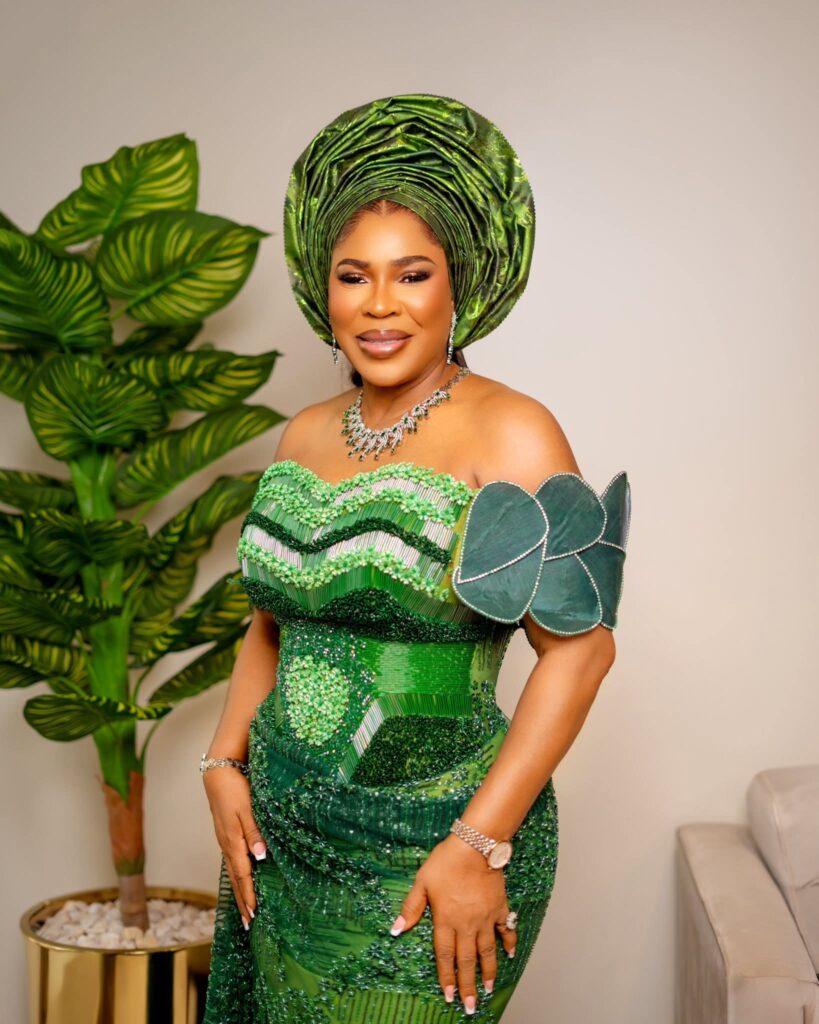
One of the most painful chapters of Fathia’s story came during the divorce proceedings, when Saidi reportedly dragged her to court, insisting that she stop using his surname, Balogun — a name that had already become her professional brand.
It was an attempt not just to end a marriage, but to erase an identity she had built with years of hard work.
Also Read: As a Film Producer, Know When to Stay Silent and When to Speak Up – Debby Chimere
Thankfully, the Nigerian court ruled that it is not compulsory for a woman to adopt her husband’s surname during marriage — nor is she obligated to discard it after divorce.
Fathia retained the name until she decided to change it in 2017.
She did so on her own terms.
A Global Parallel: Tina Turner
Fathia’s experience mirrors that of the late music legend Tina Turner. After escaping an abusive marriage to Ike Turner, he demanded that she drop the stage name he had helped create.
Tina fought back, asking the court to allow her keep the name — the only thing she wanted.
The court granted her request.
Both women understood something powerful:
a name can be a woman’s legacy.
Why This Story Matters
Some men seek control not just during marriage, but long after it ends. They want ownership before and after love expires.
Women must begin to challenge that narrative.
I lived this reality myself. My ex-husband attempted to claim ownership over my surname and business identity. I walked away and rebuilt — today, DJ Ìràwọ̀ Limited is mine, fully and permanently.
And even if I marry the richest man on earth, my surname stays mine.
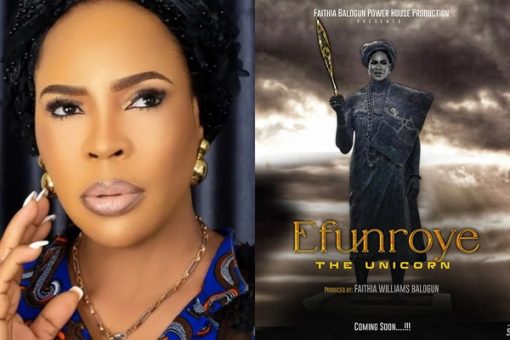
Fathia Williams Today
Fathia Williams stands today with her head held high — no longer bullied, no longer silenced. She transitioned from Faith to Fathia, navigated identity shifts, survived public scrutiny, and emerged stronger.
Also Read: Queen Nadia TV Controversy: Explicit Facebook Content Sparks Public Outrage and Safety Concerns
She is now firmly established as Fathia Williams, a Nigerian actress and filmmaker who refuses to be reduced to her past.
In Conclusion
Many waters have indeed passed under this bridge.
What remains is not romance, but respect. Not nostalgia, but progress. And not submission, but self-worth.
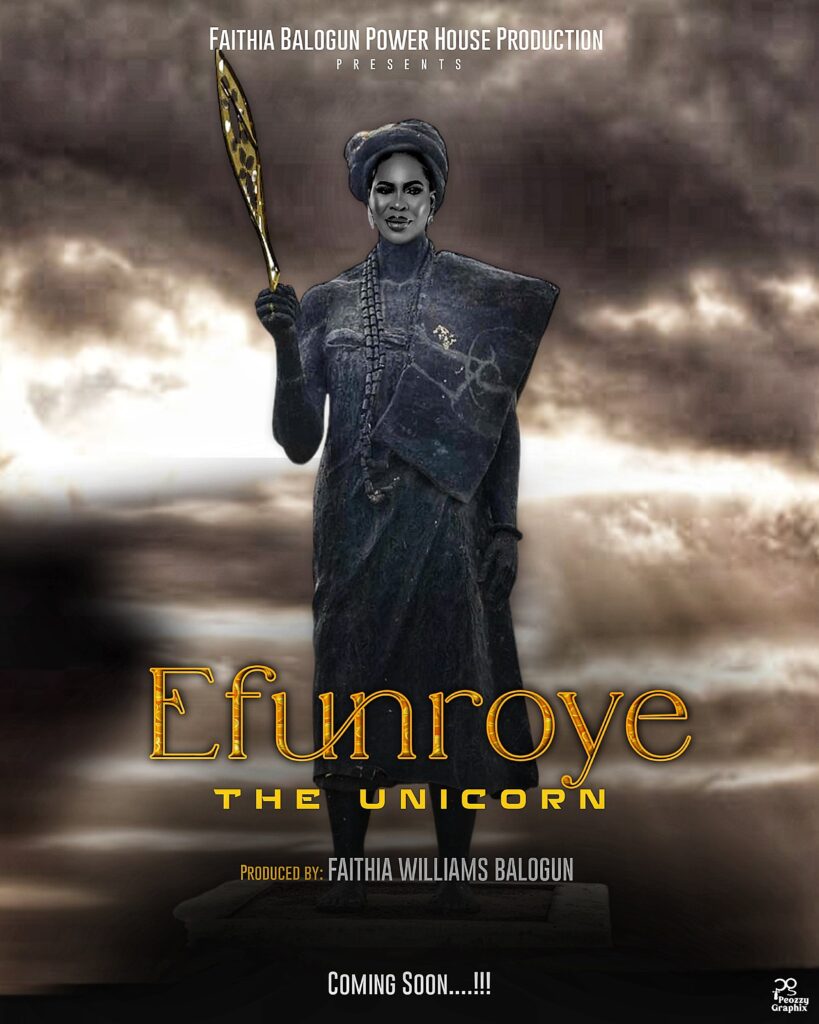
When Ẹfúnróye: The Unicorn is released, watch it — not because of gossip, but because it represents a woman telling powerful stories, on her own terms.
And that, more than anything else, deserves applause.