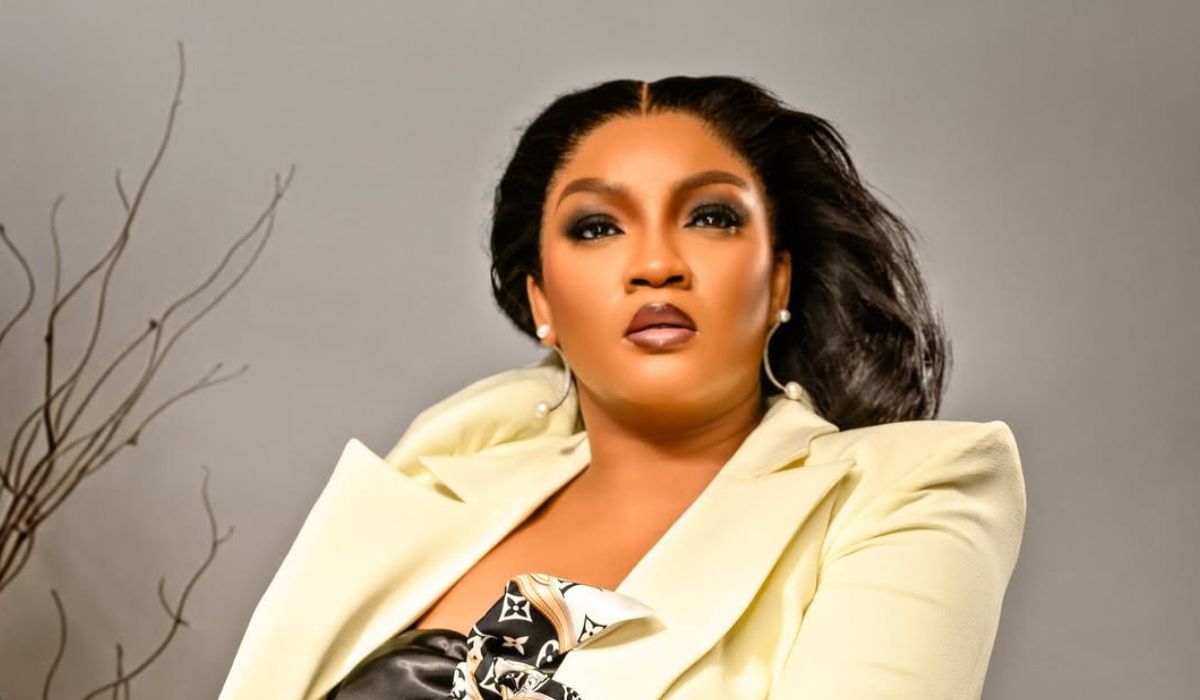
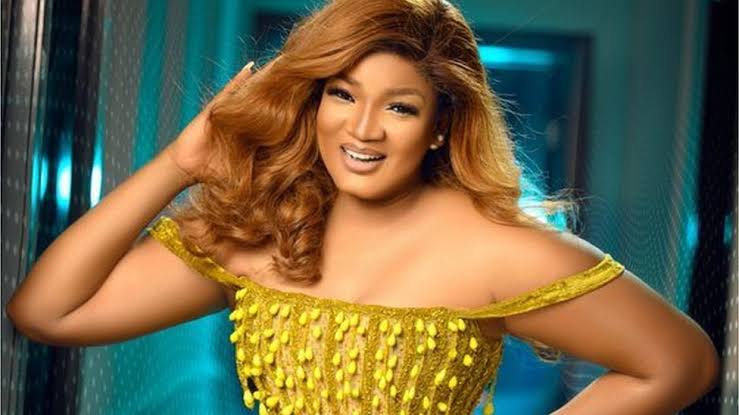
When Omotola Jalade-Ekeinde speaks, Nollywood listens.
The veteran actress recently shared her thoughts on a growing trend in the Nigerian film industry — actors and filmmakers dancing on social media to promote their movies.
What sounded like a simple personal opinion quickly ignited a wider debate about professionalism, marketing, and how Nollywood should present itself to the world.
I watched her comments closely, and what stood out wasn’t just what she said, but what it revealed about the changing identity of Nollywood.
What Omotola Actually Meant
Omotola did not attack creativity, nor did she dismiss modern marketing. Her concern was about perception. According to her, excessive dancing and unserious skits used to promote serious films can blur the line between art and gimmicks.
Also Read: Filmmakers Should Put Their Films on YouTube Instead of Fighting the Cinema Battle in Nigeria.
For Omotola, movies should speak for themselves. Strong storytelling, quality production, and solid performances, she believes, should be the primary selling points — not viral dances that may cheapen the work.
Coming from someone who helped shape Nollywood’s global image, her words carried weight.
Why This Opinion Struck a Nerve
The reaction to Omotola’s statement was swift and divided.
Some agreed with her, arguing that Nollywood risks losing its dignity by leaning too heavily on social media trends. Others strongly disagreed, pointing out that the industry has changed, and promotion must evolve with audience behavior.
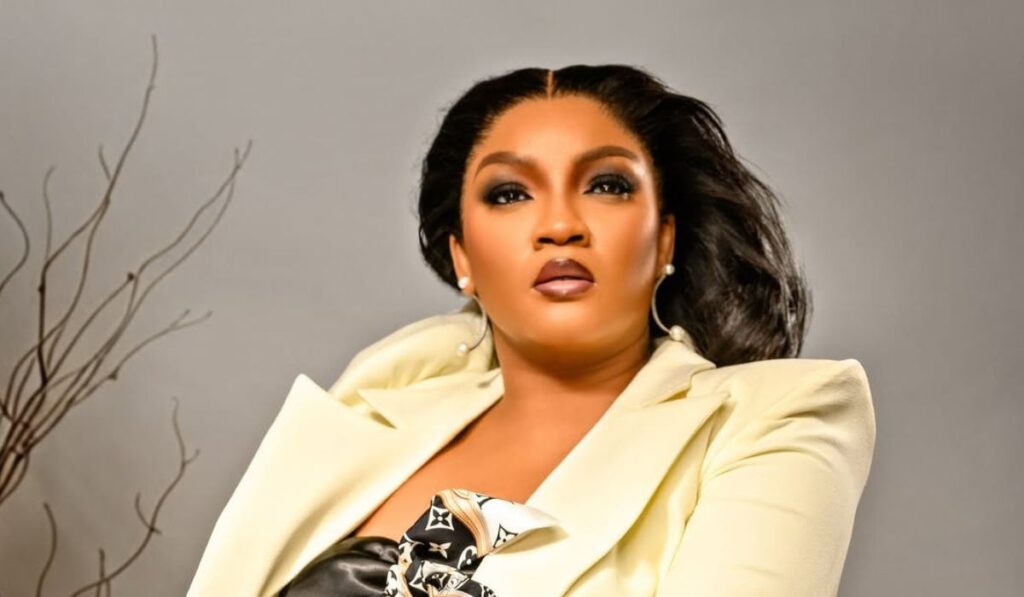
Today’s audience lives on TikTok, Instagram, and X. Ignoring these platforms, critics argue, is equivalent to refusing free publicity.
Also Read: Don’t Mention My Name Again! Funke Akindeke Warns Kunle Afolayan
This clash of perspectives highlights a deeper generational divide in Nollywood.
The Reality of Film Promotion Today
Modern film promotion is no longer limited to billboards and press tours. Algorithms now decide visibility, and virality often determines reach.
Dancing videos, challenges, and skits may look unserious, but they work. They push movies into timelines, attract younger audiences, and create conversation.
For many filmmakers, especially those without massive budgets, social media trends are not a choice — they are survival tools.
This is where the disagreement truly lies: principle versus practicality.
Is Dancing Really the Problem?
The issue may not be dancing itself, but how it’s done.
When promotion feels forced, disconnected from the movie’s theme, or overly desperate, it raises eyebrows.
However, when done creatively and intentionally, social media promotion can enhance a film’s visibility without undermining its quality.
The problem is not the platform — it’s the execution.
What Nollywood Is Struggling to Balance
Nollywood today is torn between:
- Preserving professionalism and legacy
- Adapting to modern digital culture
Veterans like Omotola Jalade represent a generation that built the industry under different conditions. Younger filmmakers operate in a fast-moving digital economy where attention is currency.
Both sides are right in their own way.
Why This Debate Matters Now
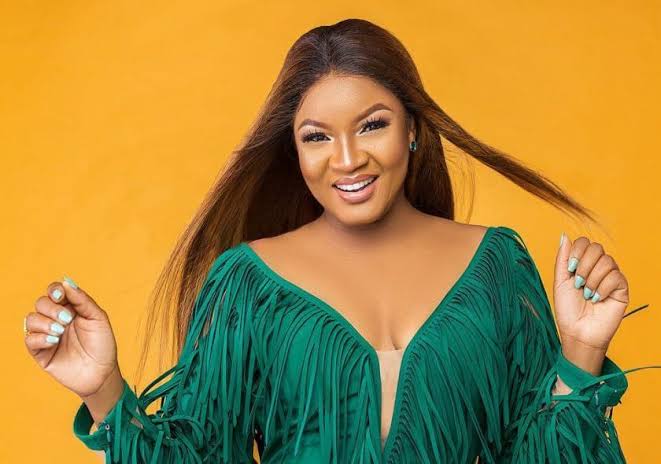
This conversation goes beyond one actress’s opinion. It reflects Nollywood’s ongoing struggle to define itself in a global, social-media-driven era.
Also Read: As a Film Producer, Know When to Stay Silent and When to Speak Up – Debby Chimere
As Nigerian films aim for international recognition, questions of branding, presentation, and perception become more important than ever. How Nollywood markets itself today will shape how it is viewed tomorrow.
My Take on Omotola’s Statement
Omotola is right to demand standards. But Nollywood cannot afford to ignore reality.
The future likely lies in balance — promoting films in ways that feel modern without sacrificing the dignity and depth of the art itself. Dancing should not replace storytelling, but it can coexist with it when used thoughtfully.
In Conclusion
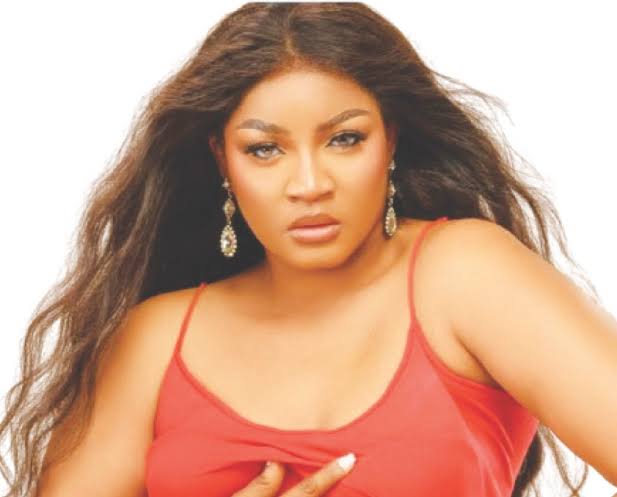
Omotola Jalade’s statement has done what great opinions often do: it forced Nollywood to look in the mirror.
Whether you agree with her or not, the debate she sparked is necessary. Because how Nigerian films are promoted today will influence how seriously they are taken tomorrow.
And in an industry fighting for global respect, that conversation is worth having.